
What Makes a Wooden Loft Ladder an Energy-Conscious Choice?
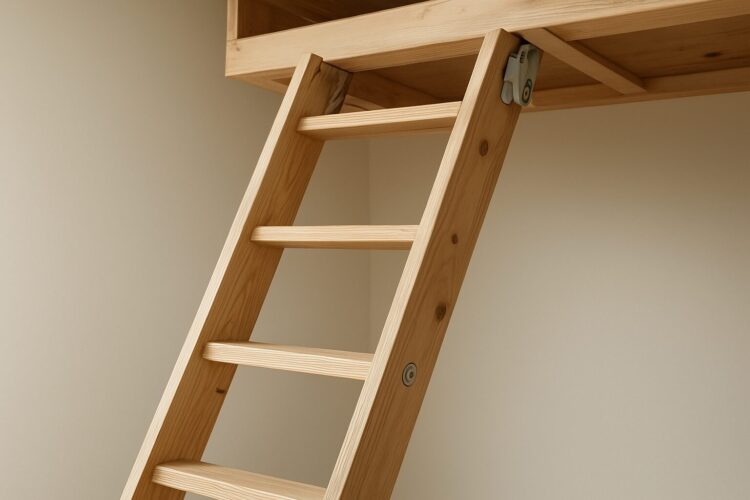
Improving household energy efficiency involves more than upgrading heating systems or replacing windows. Small structural details can also influence indoor comfort and heat retention. Choosing a wooden loft ladder can complement a well-planned loft access area, particularly when combined with suitable insulation and an airtight loft hatch. Wood has naturally low thermal conductivity compared with many metals, making it an appealing material for homeowners who value comfort, practicality, and thoughtful interior design.
How Does Wood Contribute to Thermal Performance?
Wood naturally slows heat transfer because its cellular structure contains air pockets. Unlike highly conductive materials, it does not transfer heat as readily under comparable conditions. However, the overall energy performance of loft access depends on the complete installation, including the hatch, insulation, and sealing around the opening.
A wooden ladder alone cannot prevent significant heat loss through an uninsulated loft hatch. Combining appropriate materials with effective draught prevention creates a more comprehensive approach to maintaining indoor temperatures.
Can Better Loft Access Help Reduce Energy Waste?
Lofts are frequently used for seasonal storage, household equipment, and additional usable space. Convenient access encourages homeowners to organise these areas without making unnecessary alterations to the surrounding structure.
When planning loft access, it is important to avoid disturbing insulation or leaving gaps around the hatch. These openings may allow warm indoor air to escape during colder weather. Proper installation and careful sealing can help limit unwanted air movement, supporting the performance of the home’s existing insulation.
Why Does Insulation Matter More Than Ladder Material Alone?
Insulation forms the primary barrier against heat transfer between the living area and the loft. A poorly insulated hatch can become a weak point, even when the surrounding ceiling is well protected.
Homeowners should consider an insulated hatch, suitable weatherstripping, and secure closure alongside their ladder choice. These measures address common sources of heat loss more directly than selecting a particular ladder material. Professional assessment can identify gaps and recommend improvements suited to the property.
What Maintenance Supports Long-Term Efficiency?
Wooden loft ladders benefit from routine inspection and appropriate care. Checking hinges, fasteners, moving joints, and hatch alignment helps maintain safe operation. Any damage, warping, or loose fittings should be addressed promptly.
A hatch that closes correctly is particularly important for controlling draughts. Homeowners should also ensure that insulation remains undisturbed after accessing the loft. Keeping stored belongings away from ventilation openings helps preserve the intended airflow and supports the building’s overall performance.
Is a Wooden Loft Ladder Suitable for Every Home?
Suitability depends on available ceiling space, loft opening dimensions, ceiling height, access frequency, and required load capacity. Timber construction can offer a warm, traditional appearance that works well in many interiors.
Before installation, homeowners should verify that the ladder meets relevant safety requirements and suits the intended opening. A qualified installer can assess structural conditions and help prevent gaps that compromise the hatch’s effectiveness.
What Is the Most Effective Energy-Saving Approach?
The best results come from treating loft access as part of the home’s thermal envelope. Appropriate insulation, airtight sealing, correct fitting, and regular maintenance work together to reduce avoidable heat loss.
A well-selected wooden ladder can contribute to a practical, attractive access solution. When supported by sound insulation practices, it becomes part of a broader home improvement strategy focused on comfort, responsible energy use, and dependable everyday performance.
Key Points
- Choosing a wooden loft ladder can improve energy efficiency, especially when used with suitable insulation and an airtight loft hatch.
- Wood has low thermal conductivity, which helps slow down heat transfer compared to metals.
- Proper installation and sealing around the loft hatch is essential to prevent heat loss, as a wooden ladder alone cannot fully mitigate this issue.
- Insulation serves as the primary barrier against heat transfer, and homeowners should prioritize an insulated hatch and weatherstripping regardless of ladder material.
- Routine maintenance of wooden loft ladders, including checks on hinges and hatch alignment, is crucial for ensuring long-term efficiency and safety.
- The suitability of a wooden loft ladder is determined by factors like ceiling height and load capacity, necessitating a qualified assessment before installation.
Comments are closed, but trackbacks and pingbacks are open.