
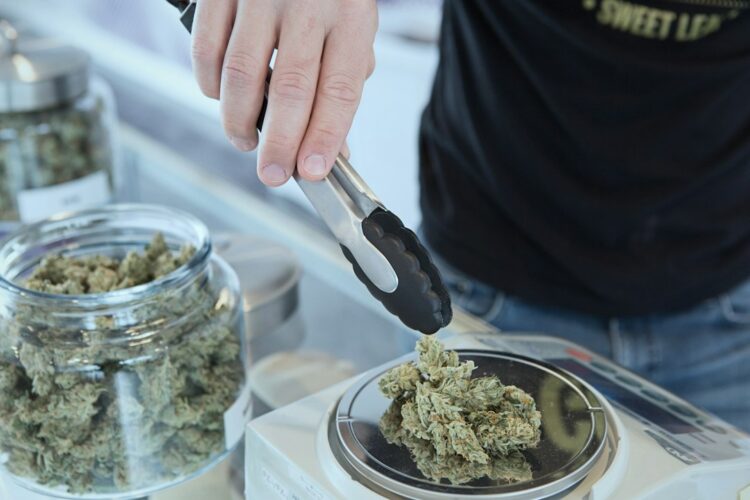
What makes concentrated cannabis products different?
Concentrated cannabis products require greater awareness than many other cannabis formats because they contain highly concentrated plant compounds and may produce effects more quickly or intensely. For anyone researching Thc concentrates, understanding safe handling, responsible use, storage, and personal awareness is essential. The right approach begins with recognizing that concentration changes the way a product should be approached, even when the product appears small or easy to use.
Jump To
- What makes concentrated cannabis products different?
- Why should consumers pay close attention to product information?
- What are the main safety concerns?
- How can accidental exposure be prevented?
- Why is storage important?
- What should someone know about impairment?
- Are there signs that someone may have consumed too much?
- Why should personal circumstances be considered?
- What is the safest overall approach?
- What should consumers remember?
Why should consumers pay close attention to product information?
Product information can help users understand what they are handling and how it is intended to be used. Labels may provide information about cannabinoid content, recommended serving guidance, ingredients, production details, and storage instructions.
Consumers should read the entire label rather than relying on packaging appearance. Clear information can help reduce confusion and support more responsible decisions. Products without reliable labeling or clear instructions deserve additional caution.
What are the main safety concerns?
One important concern is unexpectedly strong intoxication. Concentrated cannabis can produce noticeable effects that may feel overwhelming, particularly for people who have limited experience with cannabis.
Possible effects can include changes in attention, coordination, memory, perception, mood, and reaction time. Some people may also experience anxiety, dizziness, confusion, nausea, or increased heart rate.
Individual responses can vary considerably. Previous experience with cannabis does not guarantee that a particular concentrated product will feel the same.
How can accidental exposure be prevented?
Safe handling begins with keeping products away from children, pets, and anyone who should not consume them. Concentrates should remain in secure packaging and be stored according to the manufacturer’s instructions.
Users should also avoid leaving containers open or unattended. Residue on hands, surfaces, or accessories can create an unnecessary exposure risk. Washing hands after handling products can be a simple additional precaution.
Why is storage important?
Appropriate storage can help preserve product quality while reducing accidental access. Concentrates should generally be kept in a cool, secure, and suitable location according to the product label.
They should not be stored alongside ordinary food where someone could mistake them for a conventional ingredient. A clearly identified, secure storage location is especially important in households with children or animals.
What should someone know about impairment?
Impairment is one of the most important safety considerations. Cannabis may affect judgment, coordination, concentration, and reaction speed.
Someone experiencing noticeable effects should avoid driving, cycling in traffic, operating machinery, or performing activities that require precise coordination. Waiting until the effects have fully subsided is the safer approach.
Combining cannabis with alcohol or other substances can also make impairment less predictable. Avoiding combinations is a sensible safety practice.
Are there signs that someone may have consumed too much?
An uncomfortable reaction may involve intense anxiety, confusion, dizziness, nausea, vomiting, unusual drowsiness, or difficulty remaining calm. Effects can vary depending on the person, product, previous exposure, and other factors.
If someone becomes severely confused, loses consciousness, has trouble breathing, experiences a seizure, or develops another serious symptom, emergency medical assistance should be sought immediately.
A person experiencing an uncomfortable but non-emergency reaction should remain in a calm environment and avoid consuming more cannabis or other intoxicating substances.
Why should personal circumstances be considered?
Cannabis may not affect everyone in the same way. Age, previous experience, medications, health conditions, and individual sensitivity can influence the experience.
People who take prescription medicines or have concerns about how cannabis may interact with their circumstances should speak with a qualified healthcare professional before use.
What is the safest overall approach?
Responsible use starts with education rather than assumptions. Reading labels, following product instructions, storing concentrates securely, avoiding impaired activities, and recognizing unexpected reactions are all important parts of safer cannabis practices.
The most useful safety principle is simple: concentrated products deserve careful attention. Understanding their potential effects and treating them responsibly can help reduce avoidable risks while encouraging informed decision-making.
What should consumers remember?
Safety is not limited to the moment of consumption. It also includes purchasing from lawful and properly regulated sources, checking product information, maintaining secure storage, preventing accidental exposure, and knowing when professional help may be necessary.
Key Takeaways
- Concentrated cannabis products contain highly concentrated plant compounds that can produce effects more quickly or intensely than other cannabis formats.
- Consumers should read the entire product label to understand cannabinoid content, recommended serving guidelines, and storage instructions.
- Accidental exposure to concentrated cannabis can be prevented by keeping products secured and away from children and pets, and washing hands after handling.
- Storage of concentrated products in a cool and secure location is important to preserve quality and reduce accidental access.
- Impairment from cannabis can affect judgment and coordination, and individuals should avoid driving or operating machinery until the effects have fully subsided.
- Personal circumstances such as age, health conditions, and medications can influence how cannabis affects an individual, warranting consultation with a healthcare professional if needed.
Comments are closed, but trackbacks and pingbacks are open.