
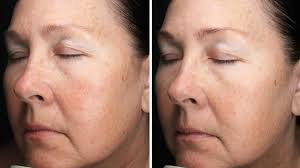
Skincare enthusiasts often search for a single ingredient that can address multiple skin concerns at once. Extensive clinical research points to one specific derivative of vitamin A that consistently delivers measurable results. Incorporating a high-quality Retinol Serum into your nightly routine is widely considered the gold standard by dermatologists worldwide. This powerful topical treatment accelerates cell turnover and boosts collagen production, fundamentally changing how your skin behaves and ages over time.
Clinical studies show that starting preventive skin care early can drastically alter the trajectory of skin aging. A significant portion of visible aging—up to 80% according to some dermatological studies—is caused by environmental factors like UV exposure rather than natural biological aging. This means that a proactive approach can effectively reverse or delay the appearance of textural irregularities and discoloration.
To help you understand the data behind this potent ingredient, we have compiled the most frequently asked questions and the statistics that back them up. Understanding the science and the numbers will allow you to make an informed decision about integrating this treatment into your regimen.
How does this ingredient work on a cellular level?
Human skin naturally sheds dead cells and generates new ones. As we age, this cellular turnover cycle slows down significantly. In your twenties, the turnover process takes about 14 to 21 days. By the time you reach your forties and fifties, that cycle can extend to 45, 60, or even 90 days. This slowdown causes a buildup of dead skin cells, leading to a dull complexion, clogged pores, and the deepening of facial creases.
Applying a topical vitamin A derivative forces the skin cells to turn over at a much faster rate, mimicking the behavior of younger skin. Furthermore, statistics show that humans lose about 1% of their collagen production each year after the age of 20. This ingredient penetrates the epidermis and reaches the dermis, where it neutralizes free radicals and stimulates the production of new elastin and collagen. This structural support is what ultimately plumps the skin and smooths out the surface.
What do clinical statistics say about reducing fine lines and wrinkles?
The data regarding wrinkle reduction is highly favorable. In numerous double-blind clinical trials, researchers have found that consistent use of vitamin A topicals leads to a statistically significant decrease in the depth and length of wrinkles.
A comprehensive 12-week study published in major dermatological journals demonstrated that participants experienced a 30% to 50% improvement in the appearance of fine lines. This happens because the newly formed collagen helps push the skin upward, filling in the microscopic valleys that form wrinkles. Users typically notice the most dramatic changes around the delicate eye area (crow’s feet) and the nasolabial folds (smile lines) after several months of continuous application.
Can it effectively fade dark spots and hyperpigmentation?
Hyperpigmentation and age spots are the direct result of excess melanin production, usually triggered by sun damage or hormonal fluctuations. Statistical analyses of patients dealing with photoaging show that targeted topical treatments can significantly lighten these stubborn marks.
This ingredient works to fade dark spots through two distinct mechanisms. First, the accelerated cell turnover physically sheds the top layers of skin where the pigmented cells reside. Second, it interferes with the enzyme tyrosinase, which is necessary for melanin production. Clinical data indicates that after 24 weeks of consistent use, up to 60% of users report a visible reduction in the intensity of hyperpigmentation and an overall more even skin tone.
What is the optimal concentration for beginners to avoid irritation?
One of the most documented side effects of accelerating cell turnover is a period of adjustment known as “retinization.” During this phase, which typically lasts two to four weeks, users might experience redness, peeling, and mild sensitivity. Dermatological statistics suggest that up to 40% of first-time users experience some form of mild irritation.
To mitigate this, experts recommend starting with a low concentration. Clinical guidelines suggest beginning with a 0.25% or 0.3% formula. Applying a pea-sized amount just two nights a week allows the skin’s barrier to adapt to the active ingredient. Once the skin builds tolerance—usually after four to six weeks—users can comfortably increase the frequency to every other night, and eventually to a higher concentration, such as 0.5% or 1.0%, for maximized benefits.
How long does it actually take to see visible improvements?
Patience is required when altering the structural integrity of your skin. While some hydrating ingredients offer immediate plumping effects, structural changes take time.
Statistical timelines from clinical trials provide a clear roadmap of what to expect. After four weeks, users generally report a smoother texture and a more radiant complexion due to the clearing of dead surface cells. By the 8-to-12-week mark, collagen production increases enough to begin softening fine lines and lightening superficial dark spots. The most profound transformations, including the visible reduction of deeper wrinkles and significant structural firming, are typically recorded in the data after six to twelve months of dedicated, uninterrupted use.
Are there specific times of day or complementary ingredients that boost efficacy?
Topical vitamin A is notoriously unstable when exposed to ultraviolet light. Sunlight breaks down the active compounds, rendering the formula much less effective. Therefore, statistics and clinical guidelines universally dictate that these treatments should only be applied during your evening routine.
Furthermore, combining this treatment with the right supporting ingredients can enhance its efficacy and reduce the statistical likelihood of irritation. Ceramides, hyaluronic acid, and niacinamide are highly recommended companions. Niacinamide, in particular, has been shown in studies to strengthen the skin barrier and reduce inflammation, making the retinization process significantly more comfortable for sensitive skin types. Conversely, applying strong chemical exfoliants like high-concentration AHAs or BHAs at the same time can increase irritation rates by over 50%, so it is best to alternate the nights you use them.
Achieving Long-Term Skin Health
Navigating the vast landscape of anti-aging skincare is much easier when you rely on proven data and clinical statistics. The numbers clearly show that increasing cellular turnover and stimulating collagen production are critical steps in reversing the visible signs of aging. By starting with a mild concentration, applying the product exclusively at night, and maintaining a consistent routine for several months, you can dramatically reduce the appearance of wrinkles, fine lines, and dark spots. Consult with a board-certified dermatologist to determine the ideal starting strength for your unique skin profile, and remember to apply a broad-spectrum sunscreen every morning to protect your newly rejuvenated skin.